

A 18th Century Master Cello
We are lending a Master Cello to the next generation of virtuosos
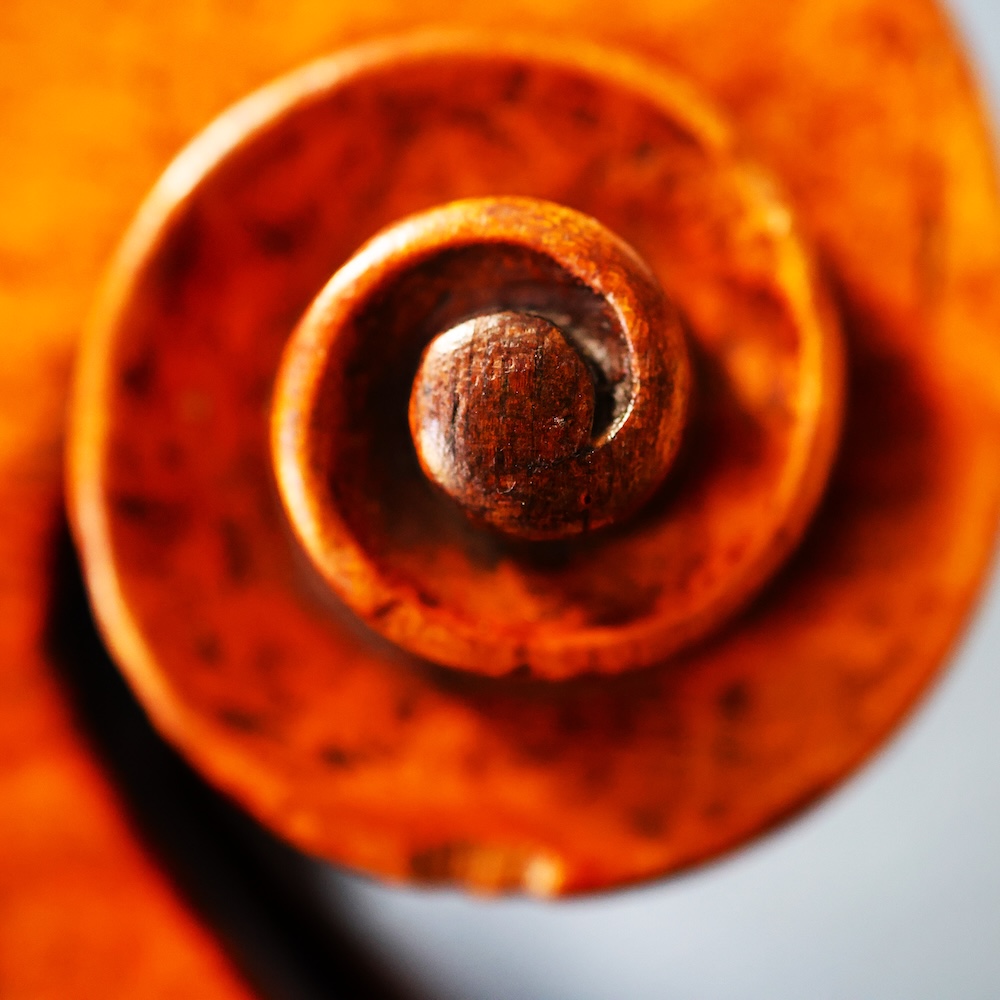
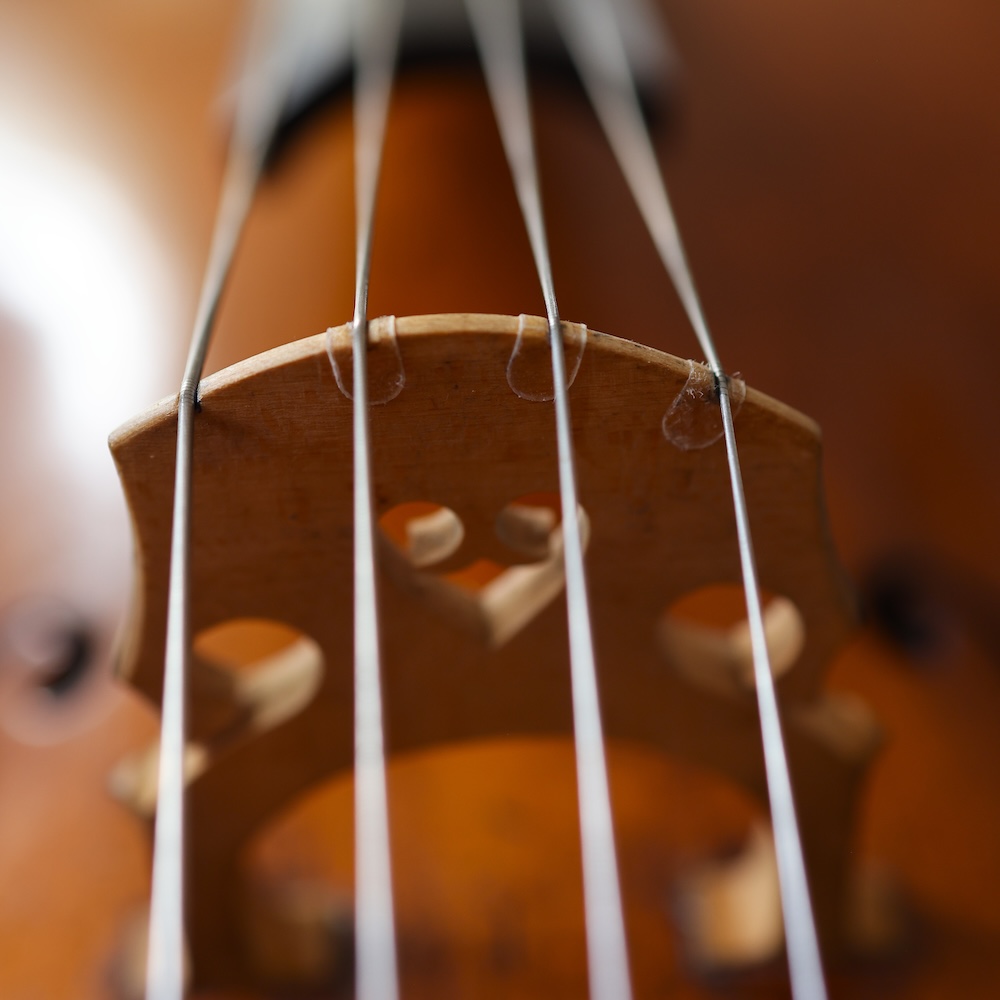
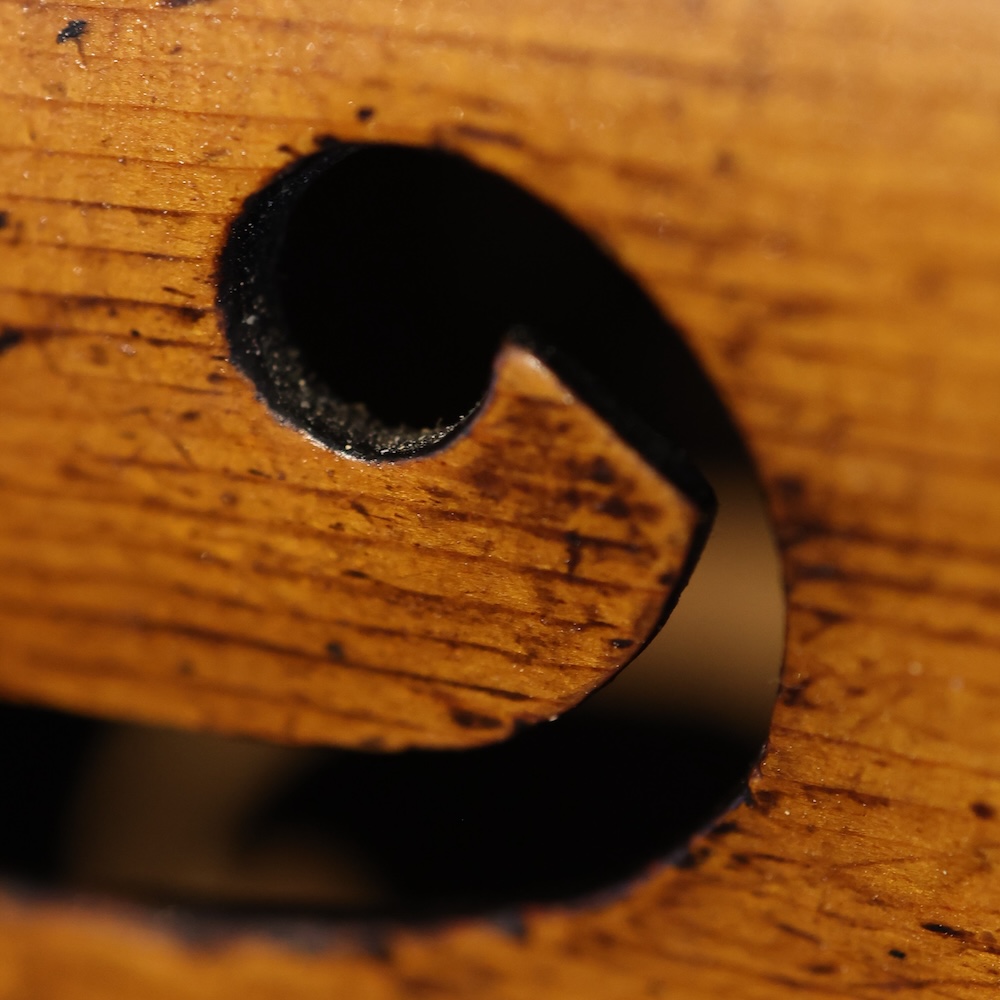
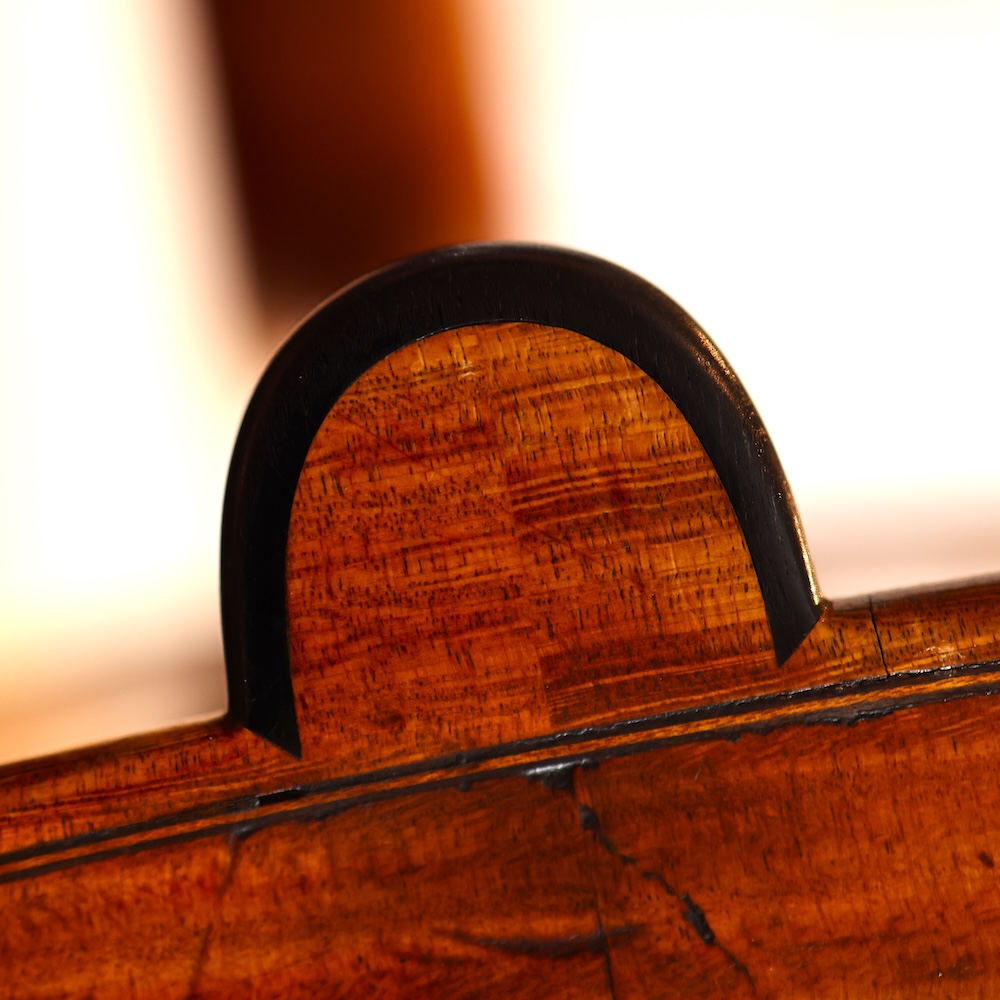

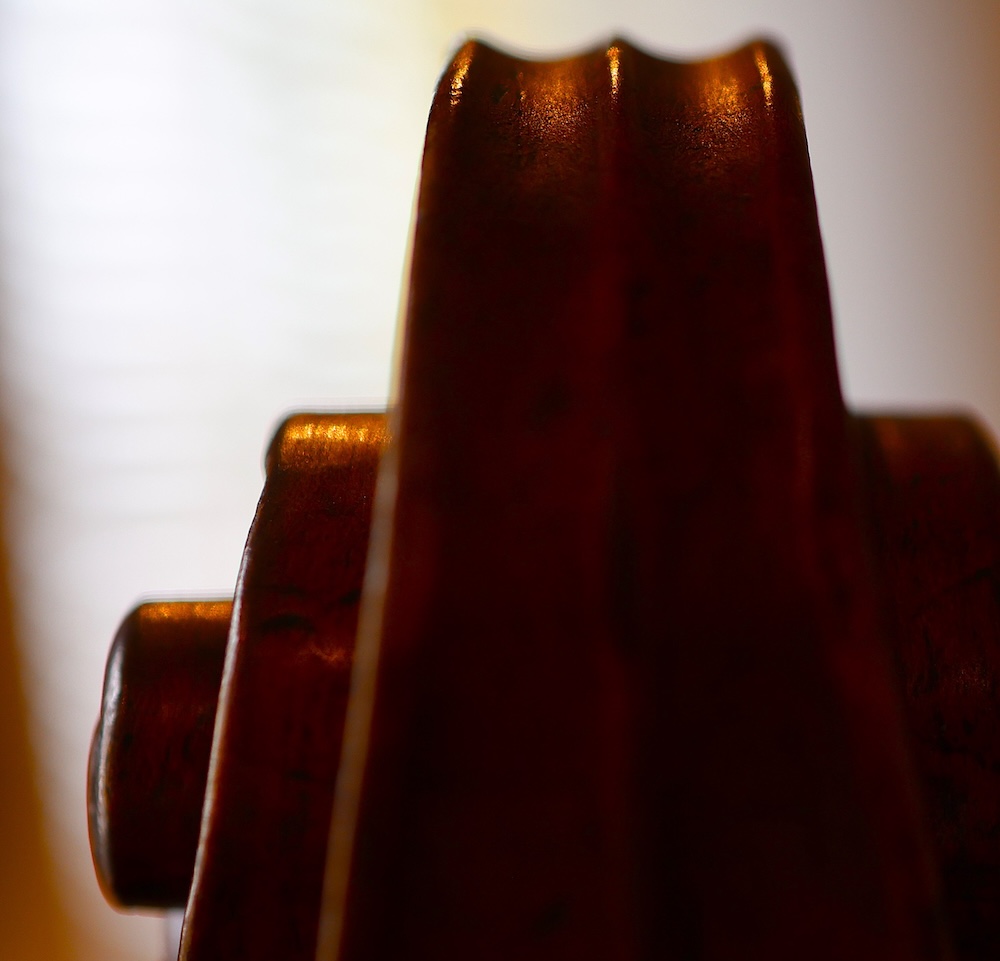
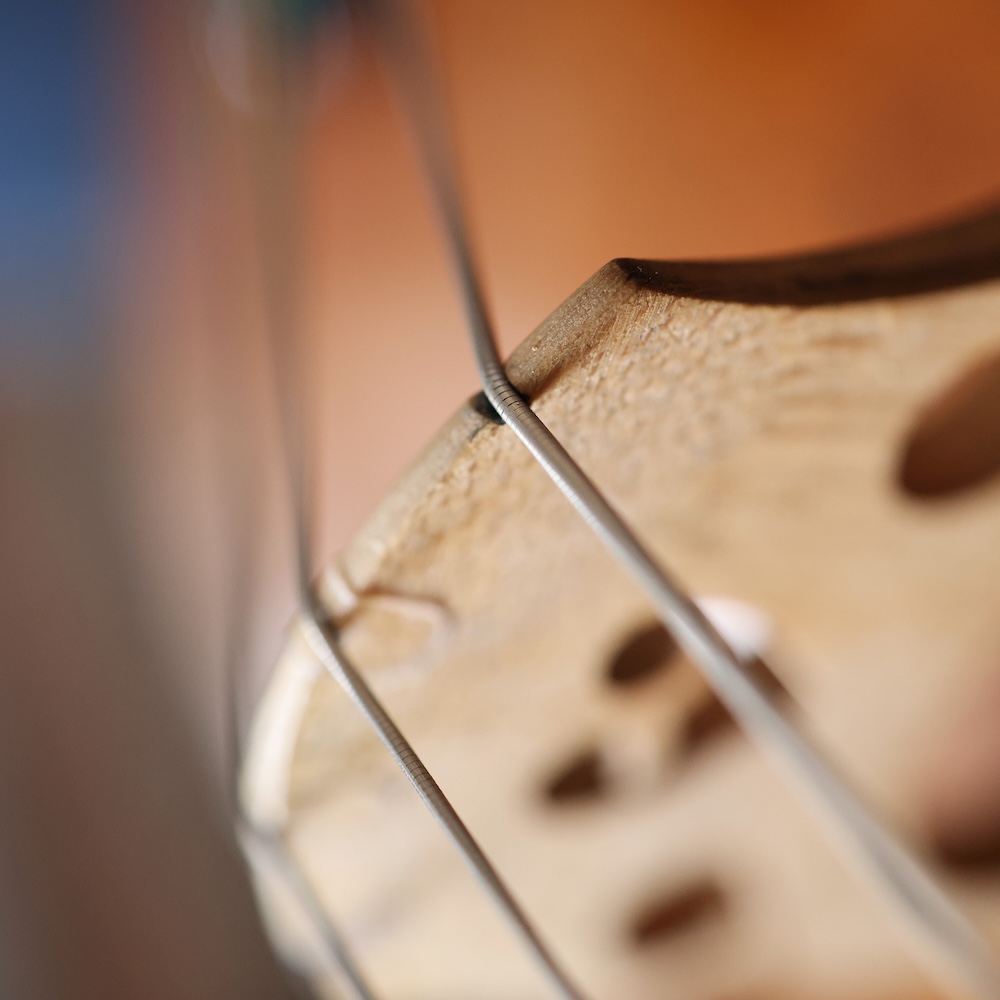
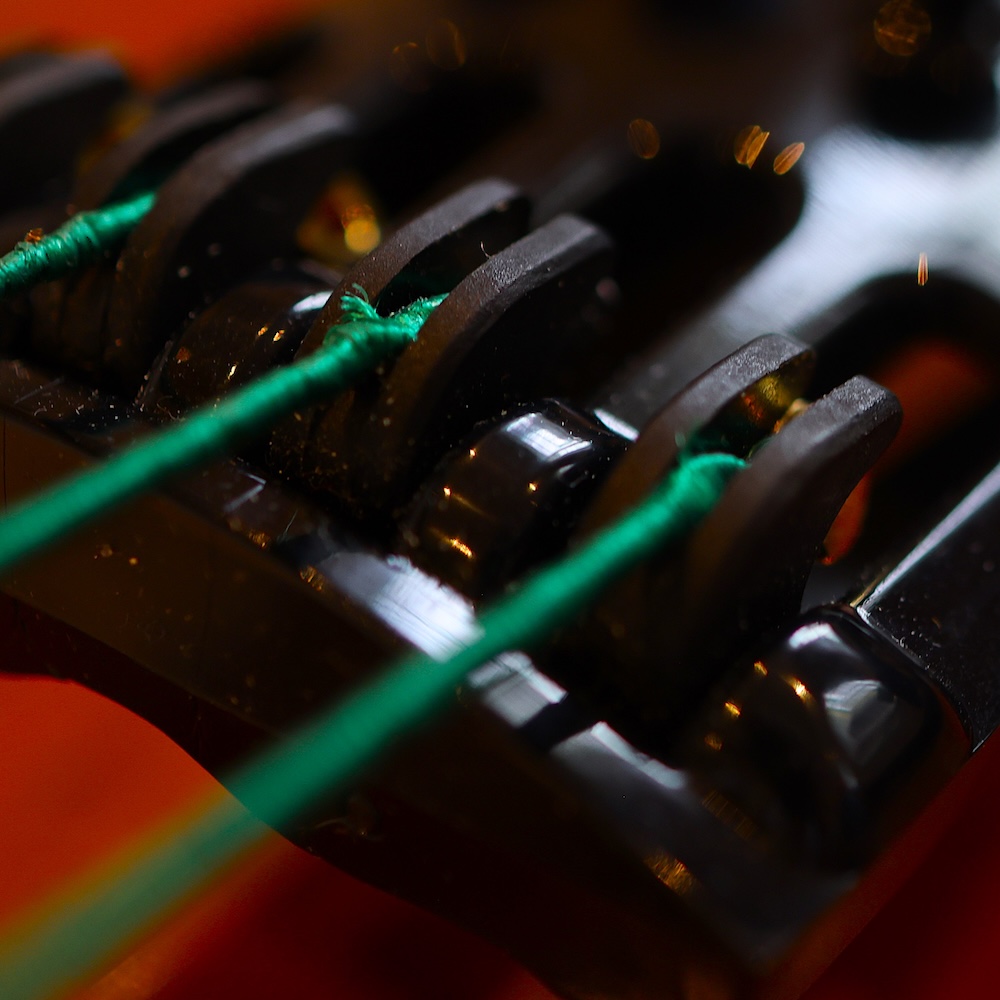
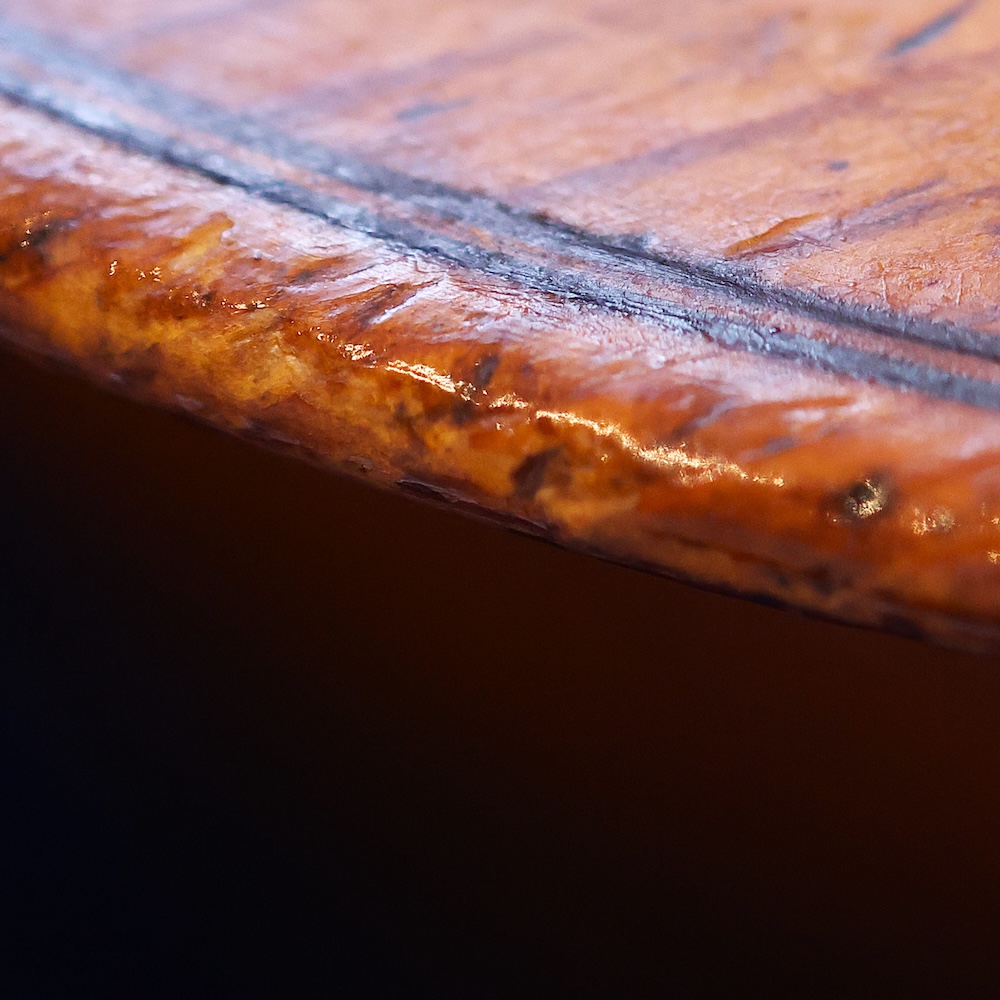
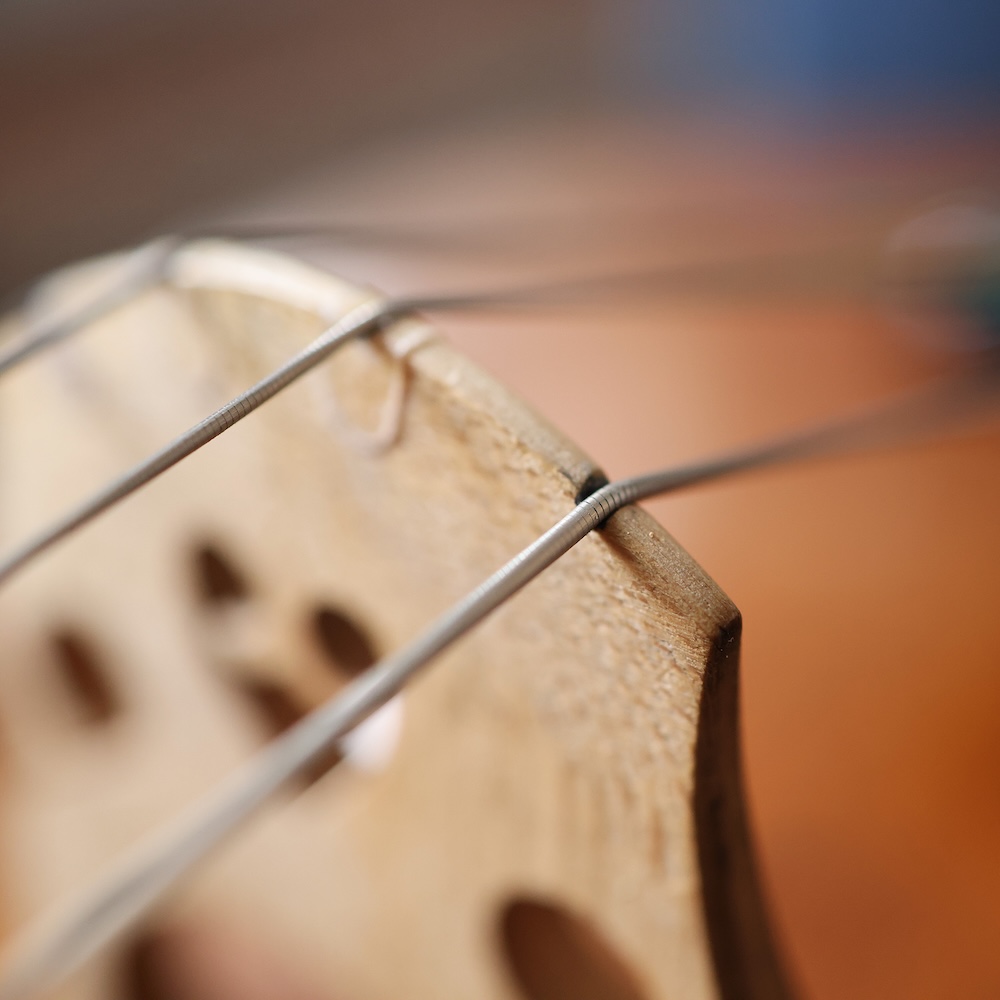
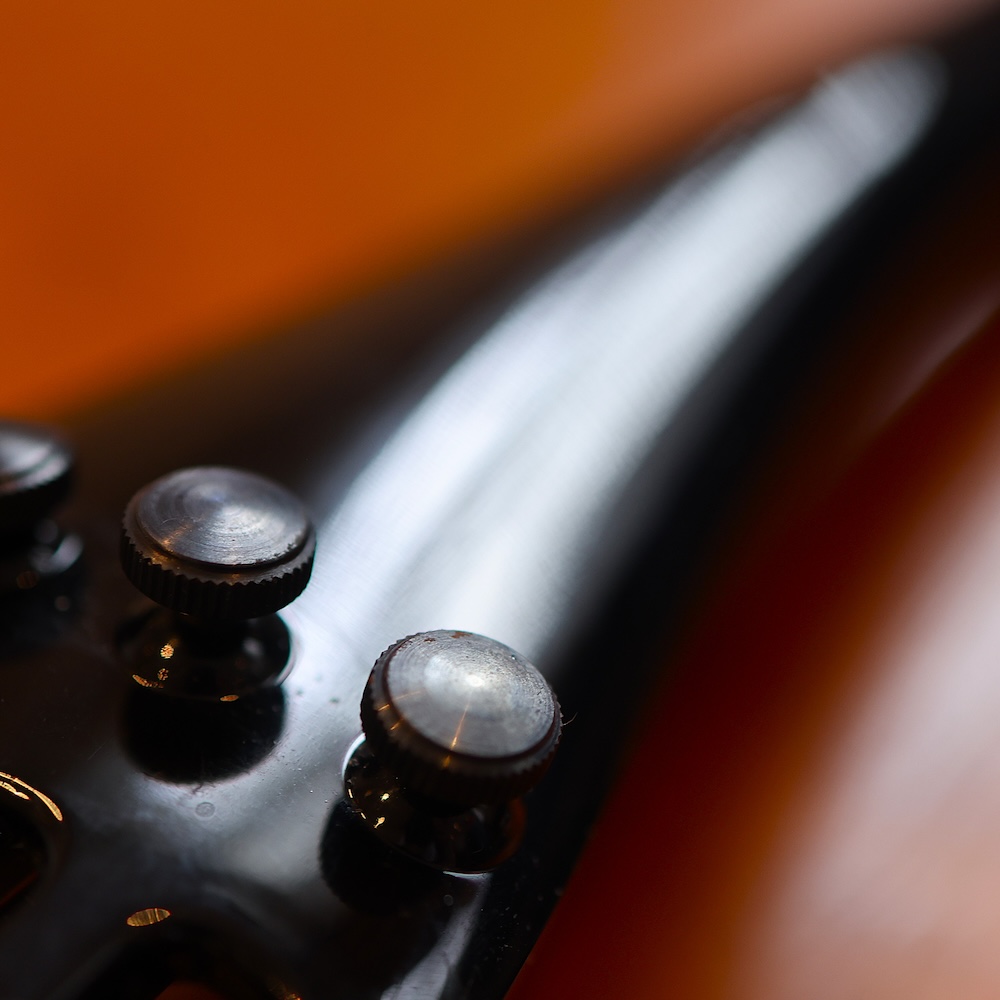
The Next 300 Years
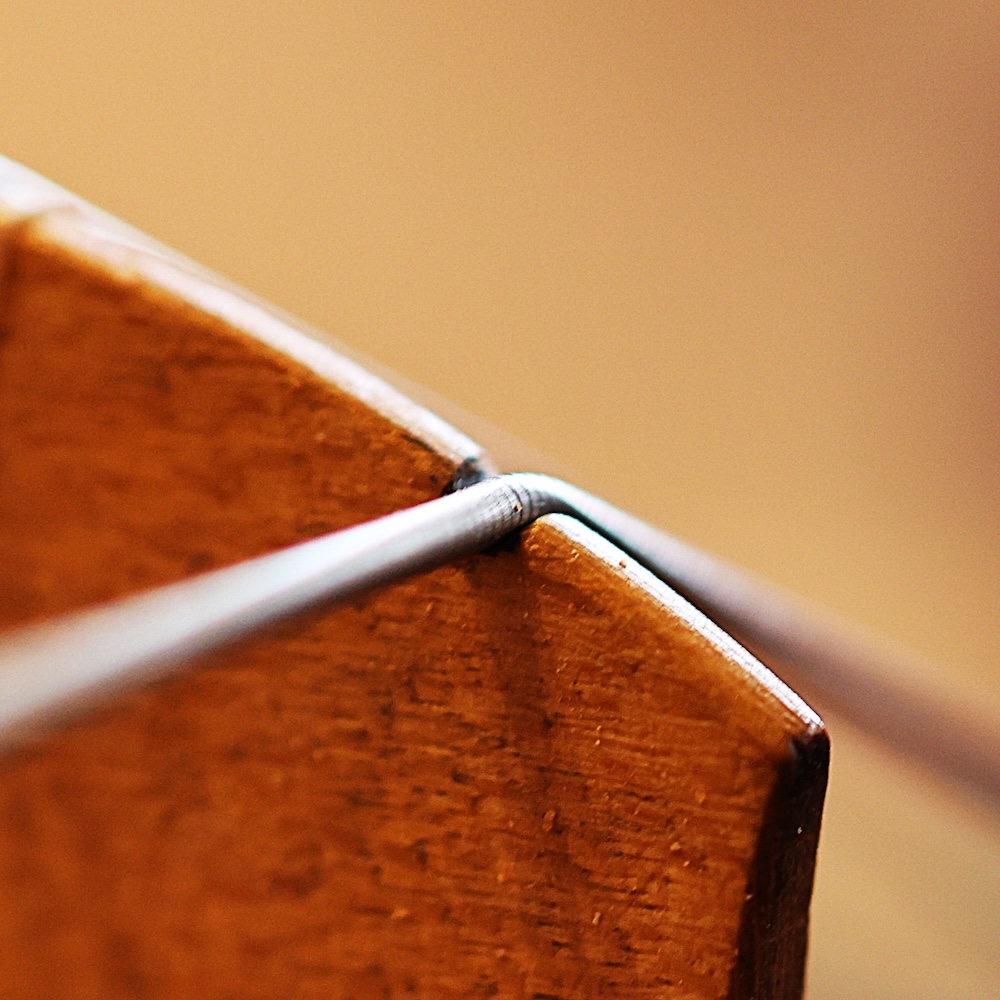
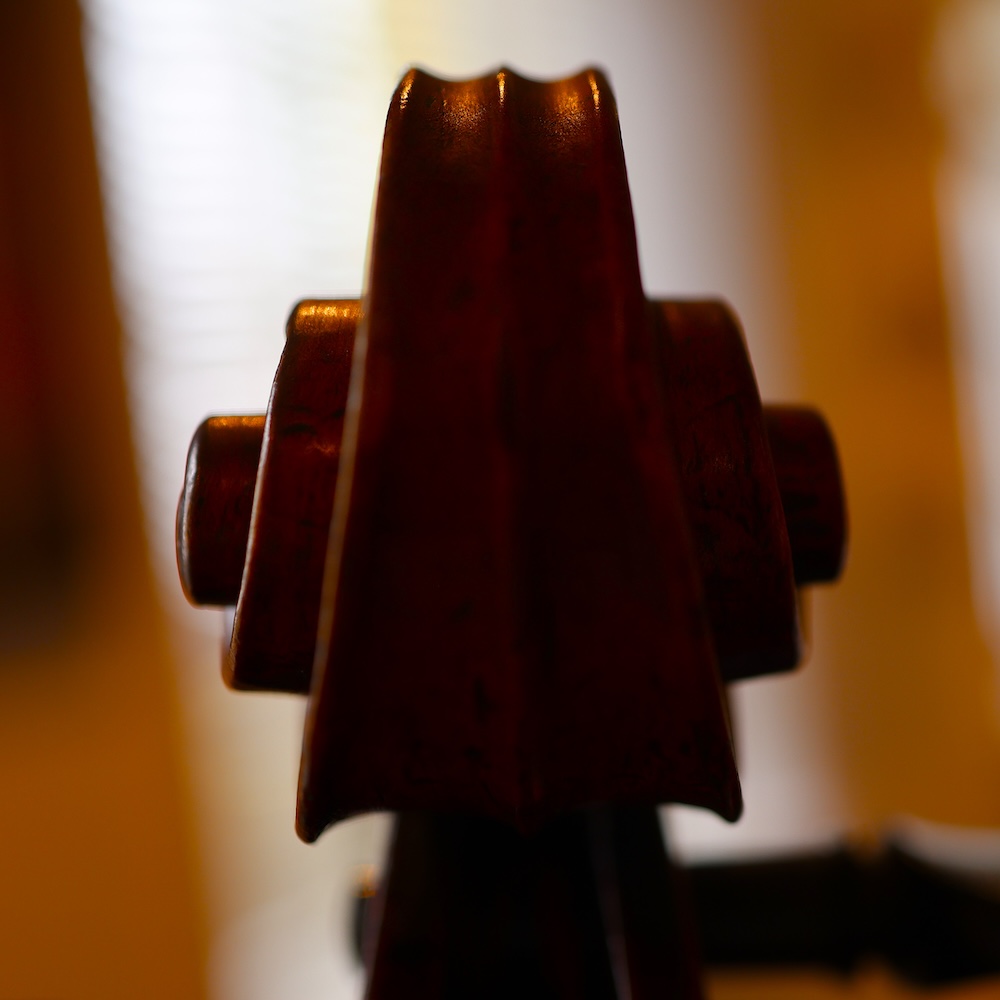
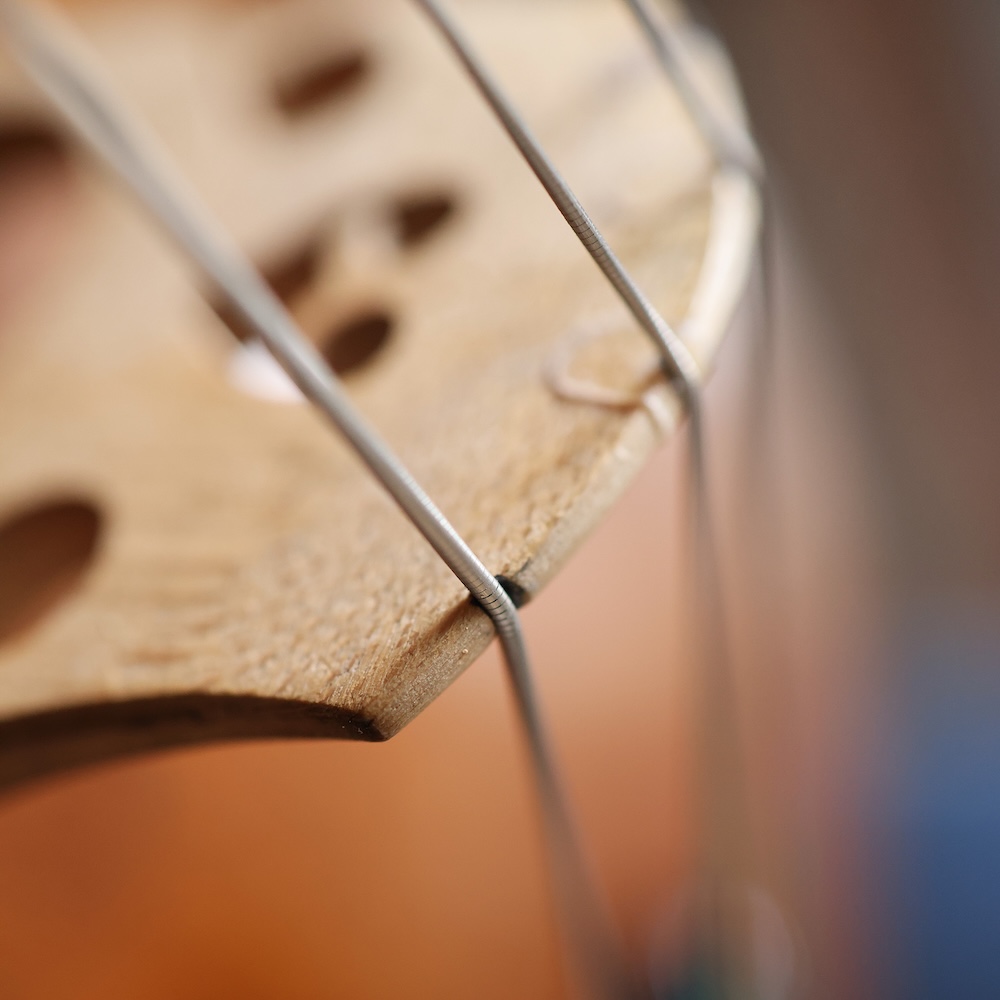
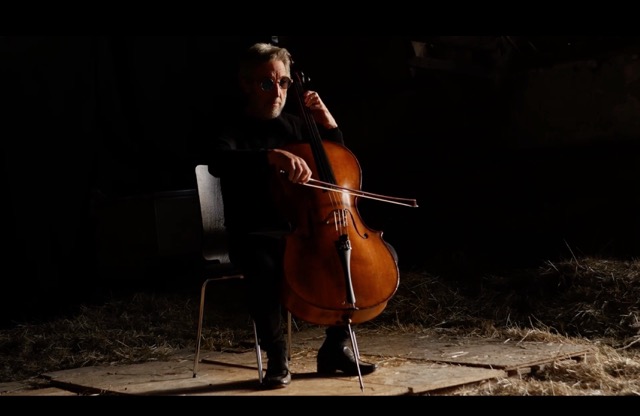
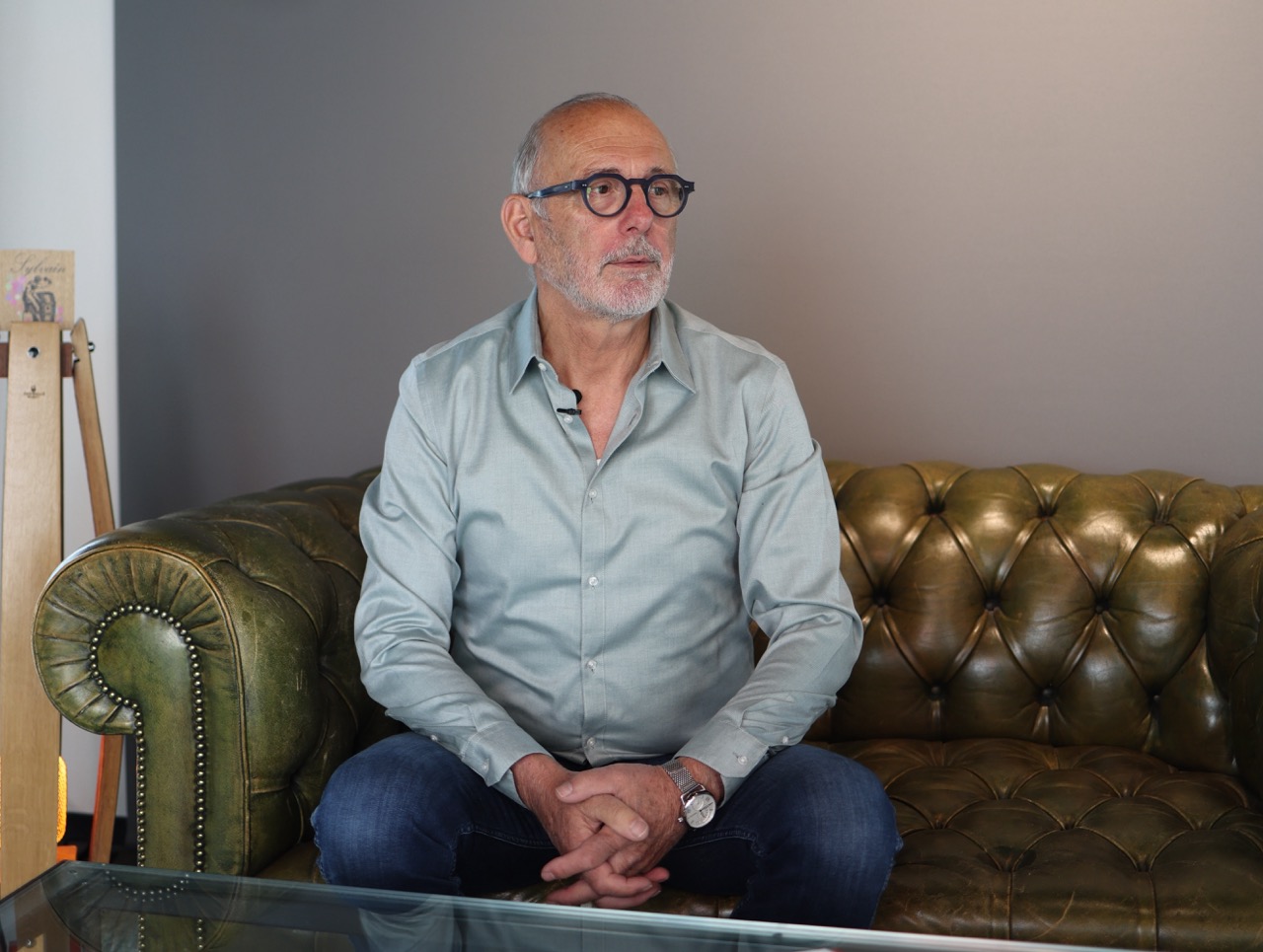
Australian cellist Nathan Waks has enjoyed a long and successful career as a professional cellist, during which he has been fortunate to play a valuable 18th-century Italian instrument for over four decades. Now, at 75, he feels it is time for this opportunity to be passed on to the next generation of talented musicians. The cello will start its new journey in April 2026, as a loan to the winner of the new Classic Cello International Competition to be held at the Royal College of Music in London.
Where art meets purpose
Nathan has enjoyed a long and successful career as a professional cellist, during which he has been fortunate to play a valuable 18th-century Italian instrument for over four decades. Now, at 75, he feels it is time for this opportunity to be passed on to the next generation of talented musicians. The cello will start its new journey in April 2026, as a loan to the winner of the Classic Cello International Competition, to be held at the Royal College of Music in London.
%20Large.jpeg)
Paintings should be seen. Instruments should be heard.
This magnificent instrument deserves to be played at the highest level, not locked away. Through OCTARR's partnership with the Florian Leonhard Fellowship, it will continue to thrive through performance.
The cello will be tokenised and loaned on an ongoing basis. The new owners will be patrons of the next generation of cellists, sharing in both its cultural legacy and economic value. The smart contract will ensure a transparent loan programme, while emerging virtuosos gain access to an instrument that might be otherwise beyond reach.
As each performer brings their own interpretation - like a Formula One driver extracting unique performance from the same car - so the cello will reveal its full range of sonic qualities through performance and recording in the decades to come.
The Mystery of The Maker.
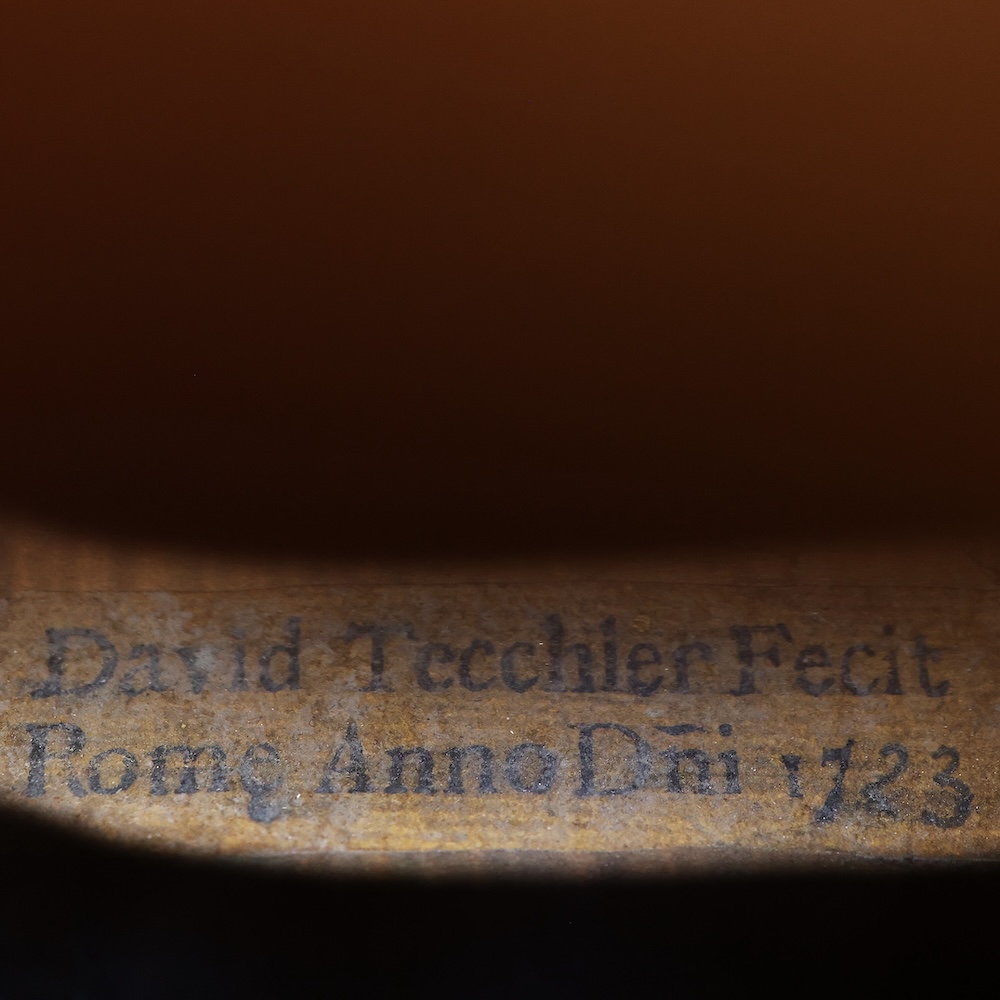
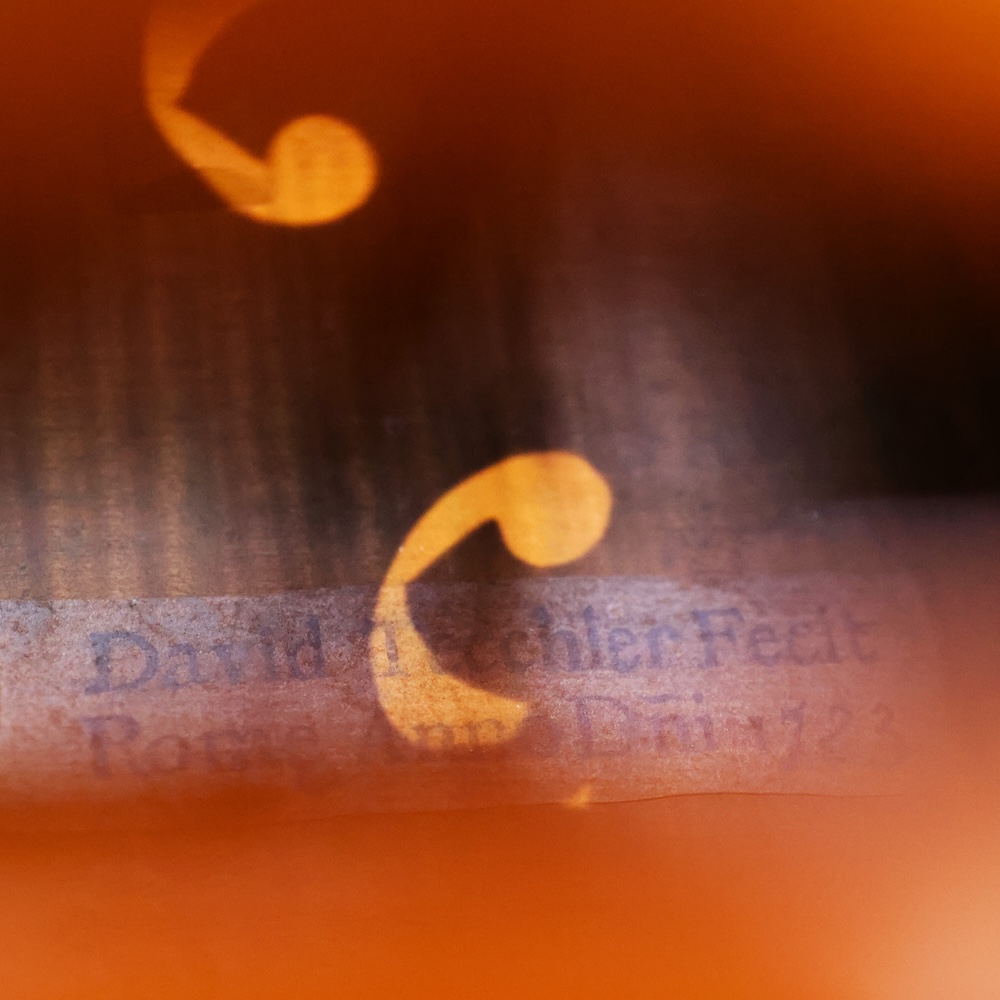
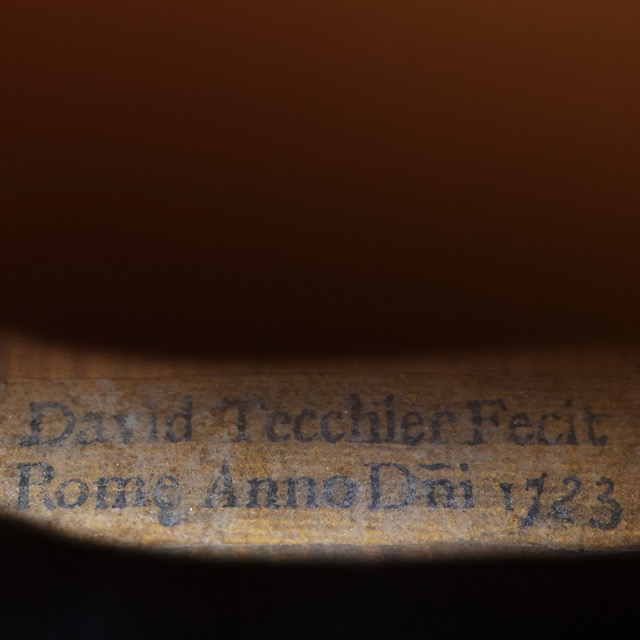
As with all master instruments, formal attribution is subjective, with only a handful of qualified experts worldwide. The signed label inside suggested that this cello was made in Rome in 1723 by renowned luthier David Tecchler - an attribution certified by the world's leading violin dealers W. E. Hill & Sons in 1945.
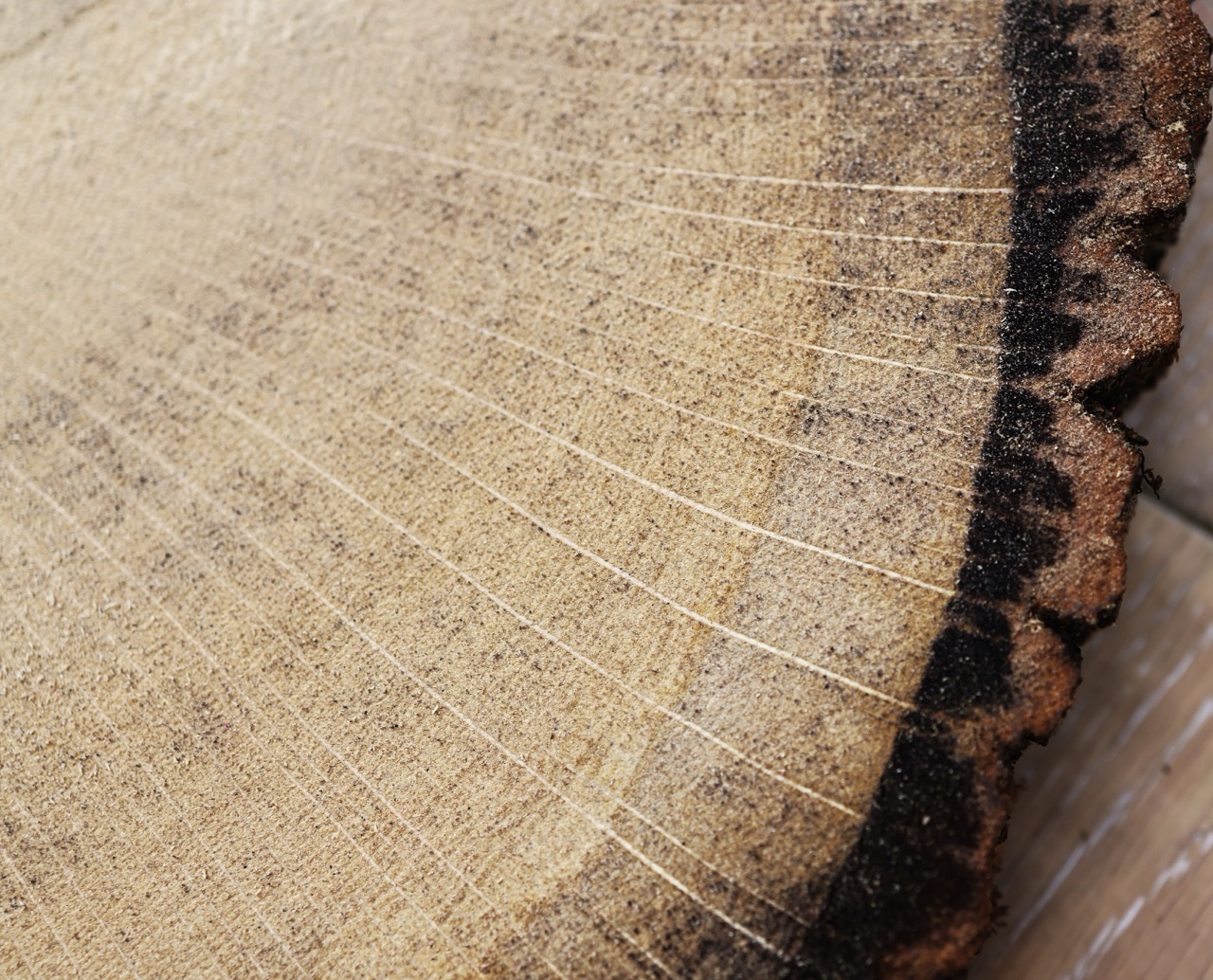
Recent dendrochronological examination has thrown that attribution into question, sparking debate over the actual maker. For quite some time now Florian Leonhard MBE, one of the world's leading experts, has studied the instrument and has now attributed it to the brothers Lorenzo and Tomaso Carcassi, great makers who worked together in Florence from the 1740s on.
What you're acquiring
100 fractions of the cello, at €3,770 per fraction - instrument valued at approximately €377,000. Acquire all 100 and you take full, sole ownership of the instrument.
Full, transferable ownership of your fraction (or the whole instrument): hold, sell, or gift it at any time, documented through a certificate of ownership.
Free insurance and maintenance, managed by the Florian Leonhard Fellowship.
What patronage brings
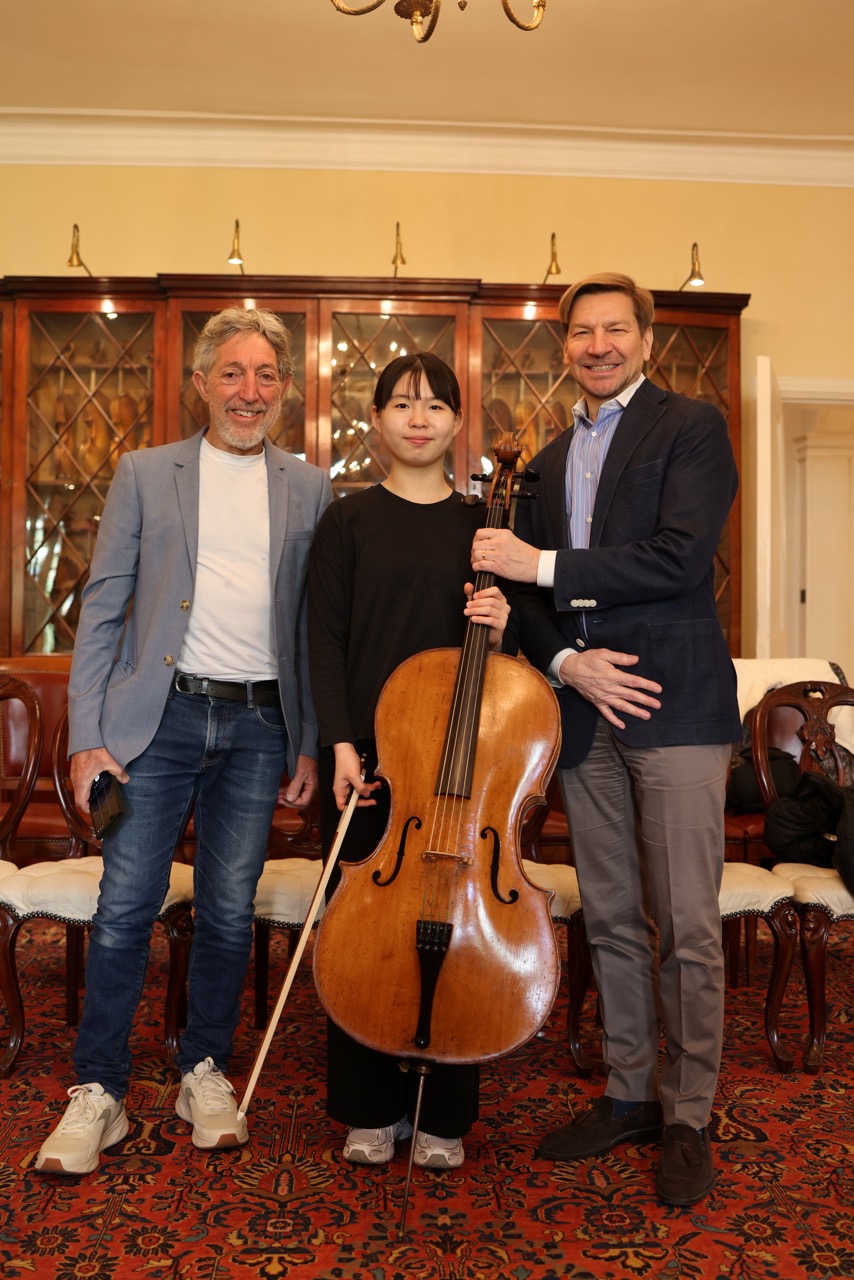
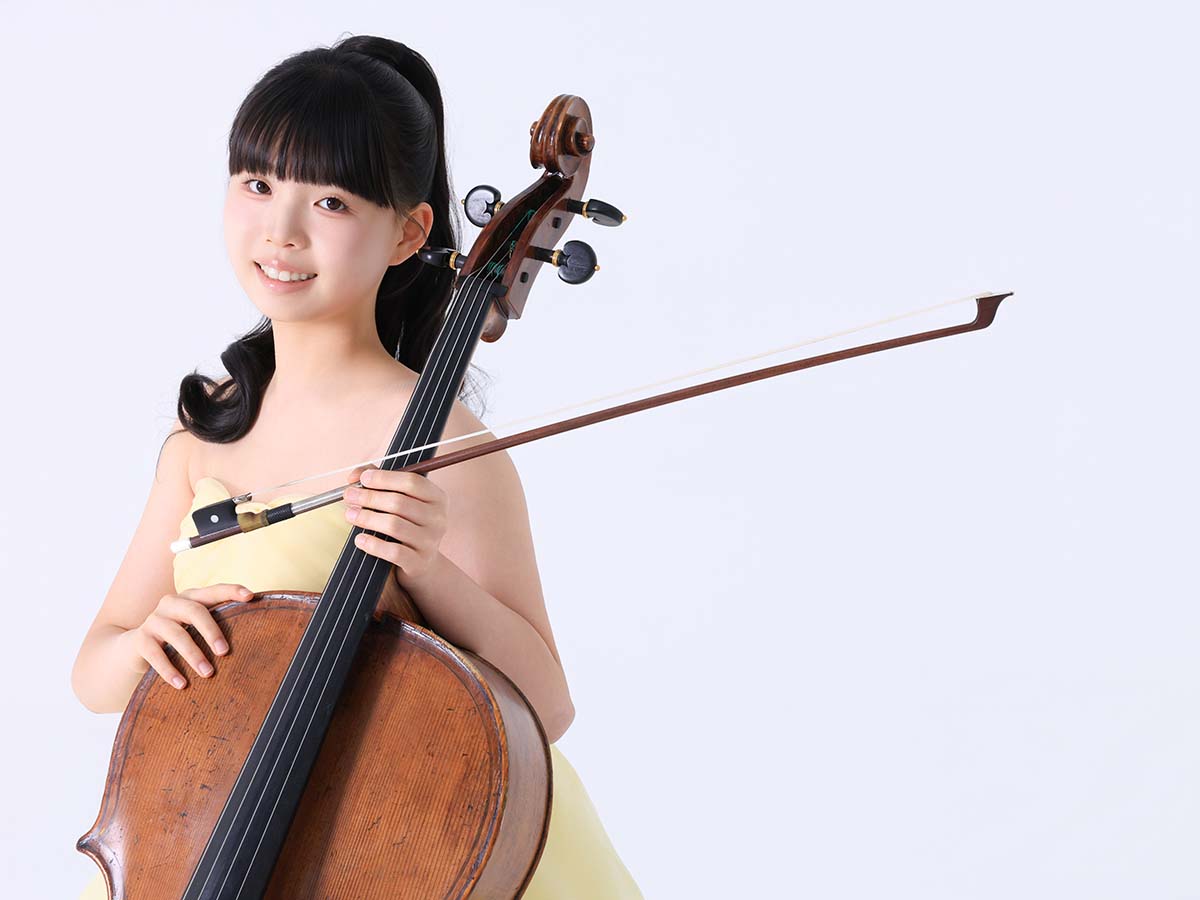
- Direct patronage of a rising virtuoso - the cello is currently loaned to Jung A Kim, 14 year-old prodigy and winner of the Classic Cello International Competition.
- Complimentary Platinum membership with priority access to future OCTARR releases, and invitations to concerts and events.
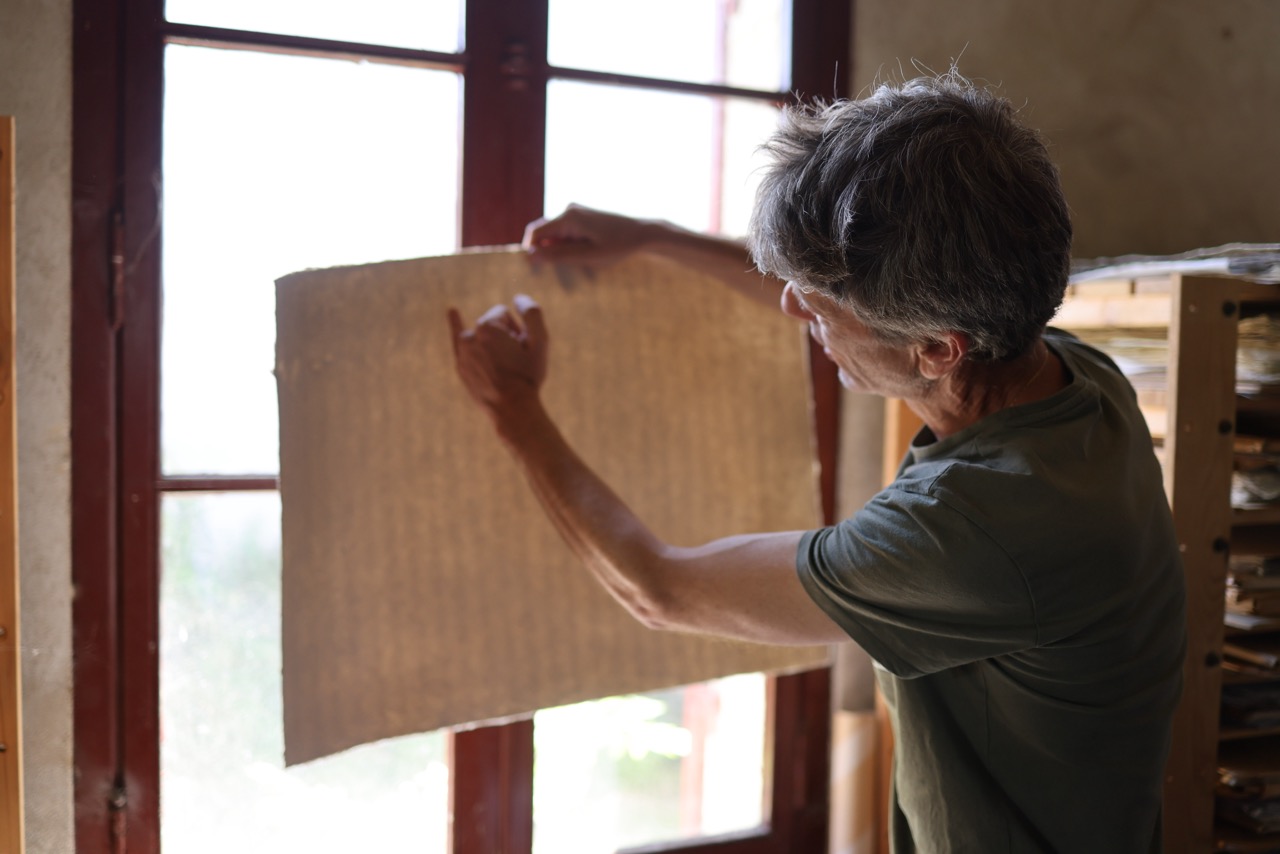
- A one-of-a-kind signed cello fragment photograph, produced on OCTARR's handmade DARA oak paper.
The Cello’s Passport
.jpg)

Become a Patron
Join OCTARR and become part of the projects, works and stories we bring to life.