The Cassini Map collection
The first map of France made by scientific survey took a century, four generations of the Cassini family and fifty wealthy backers. Nathan Waks on a landmark in the history of mapping, and its connection to DARA.
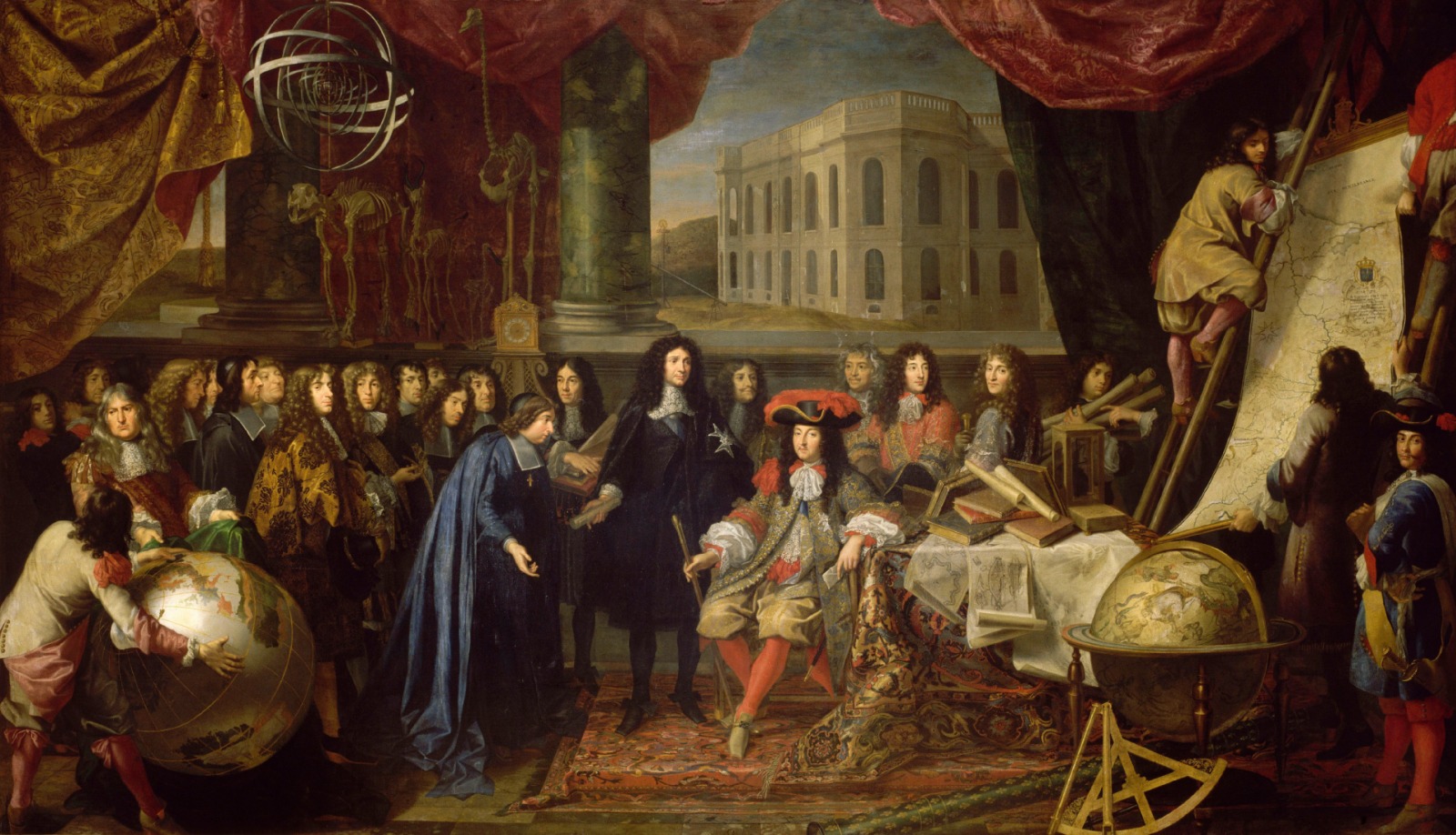
The world’s first, and to this day one of the finest, examples of cartography: the art and science of mapping.
The project began in 1667, when the Sun King, Louis XIV, and his First Minister Colbert were revolutionising France in many ways. Science and the arts went hand in hand, and there are few better examples than this monumental production, which took over a century from gestation to completion.
They wanted precise maps to secure coasts, plan defences, improve taxation and better manage the kingdom’s provinces. To that end Jean-Baptiste Colbert, acting on the Sun King’s mandate, famously asked the newly formed Académie des sciences to produce a more accurate map than had hitherto been made. He left the details to them.
Enter Giovanni Domenico Cassini, the King’s astronomer, an Italian polymath recruited to head the new Observatoire de Paris, which would become a critical player in the accurate measurement of France. He worked with France’s finest scientists to develop the triangulation method of measuring distance. It worked so well that, on seeing the new and significantly reduced area of his kingdom in 1682, Louis is said to have quipped: “You have cost me more territory than my enemies.”
The project took over a century and four generations of the Cassini family to complete. Wars, aged and very young kings, budgetary constraints and the little matter of the French Revolution all played their part in delaying it.
Meticulous measurement and magnificent detailed engravings, all coded to carry the maximum amount of topographical information, required France’s finest engravers and printers. They were employed by royal order, mostly by Louis XIV’s great-grandson and successor, Louis XV.
Louis XV also tapped fifty of his rich friends on the shoulder to finance the work, establishing the Association des cinquante. Their seal, stamped on some of the Cartes Cassini in our collection, reads: MUNIFICENTIA REGIS OPTIMI · CIVES L CONFEC[ERUNT] — “By the generosity of the best of kings, fifty citizens made this.”
It took until 1815, under Napoleon’s orders, for the project to be finally completed.
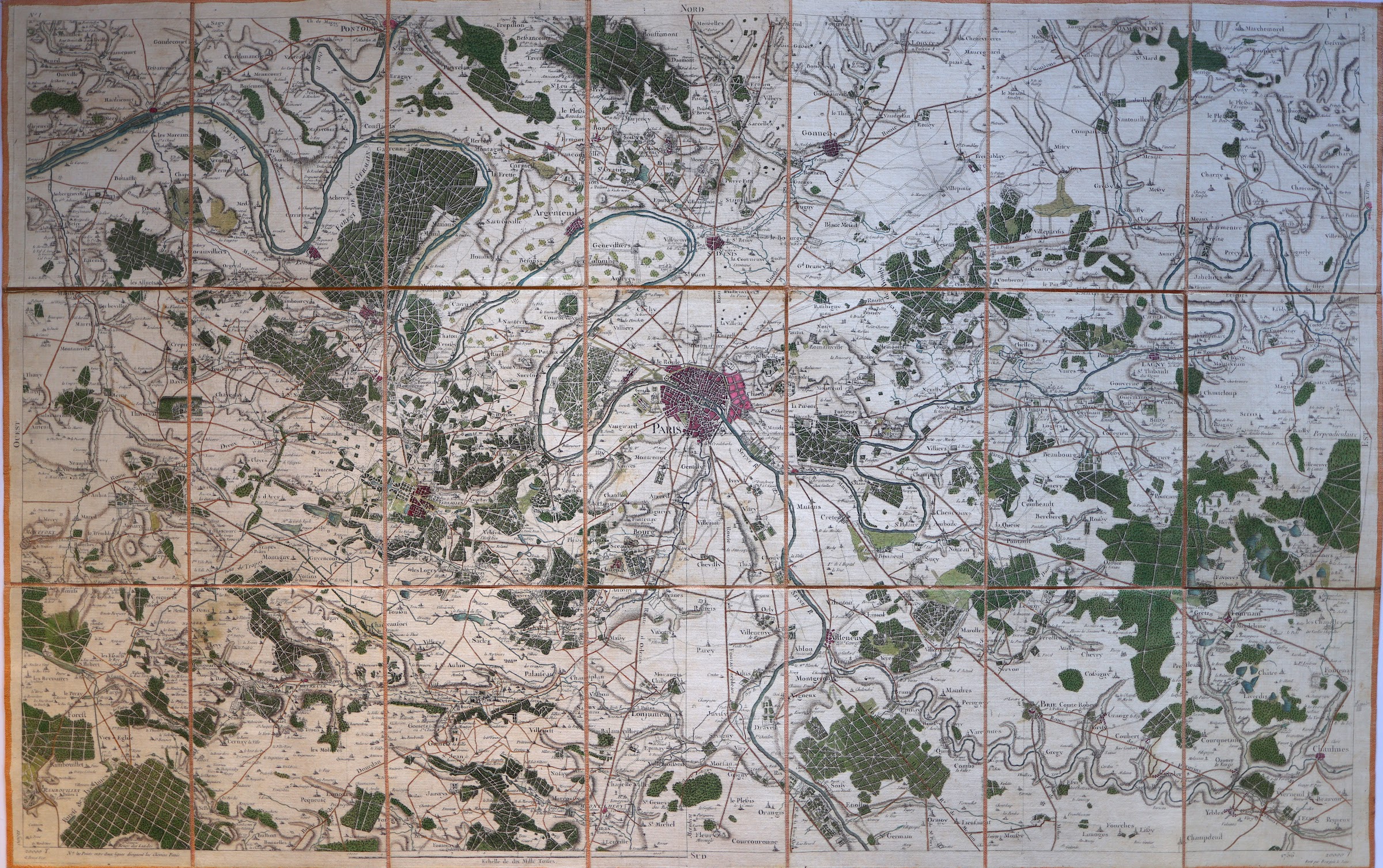
Along with the map of France created in 1744, which served as the basis for the 180 provincial maps, we have the complete set of 181. Our set is of particular rarity in that the maps are all hand-coloured. The practice was started by Marie-Antoinette, who found them too monochromatic, so rivers, forests and towns were all given coloured prominence.
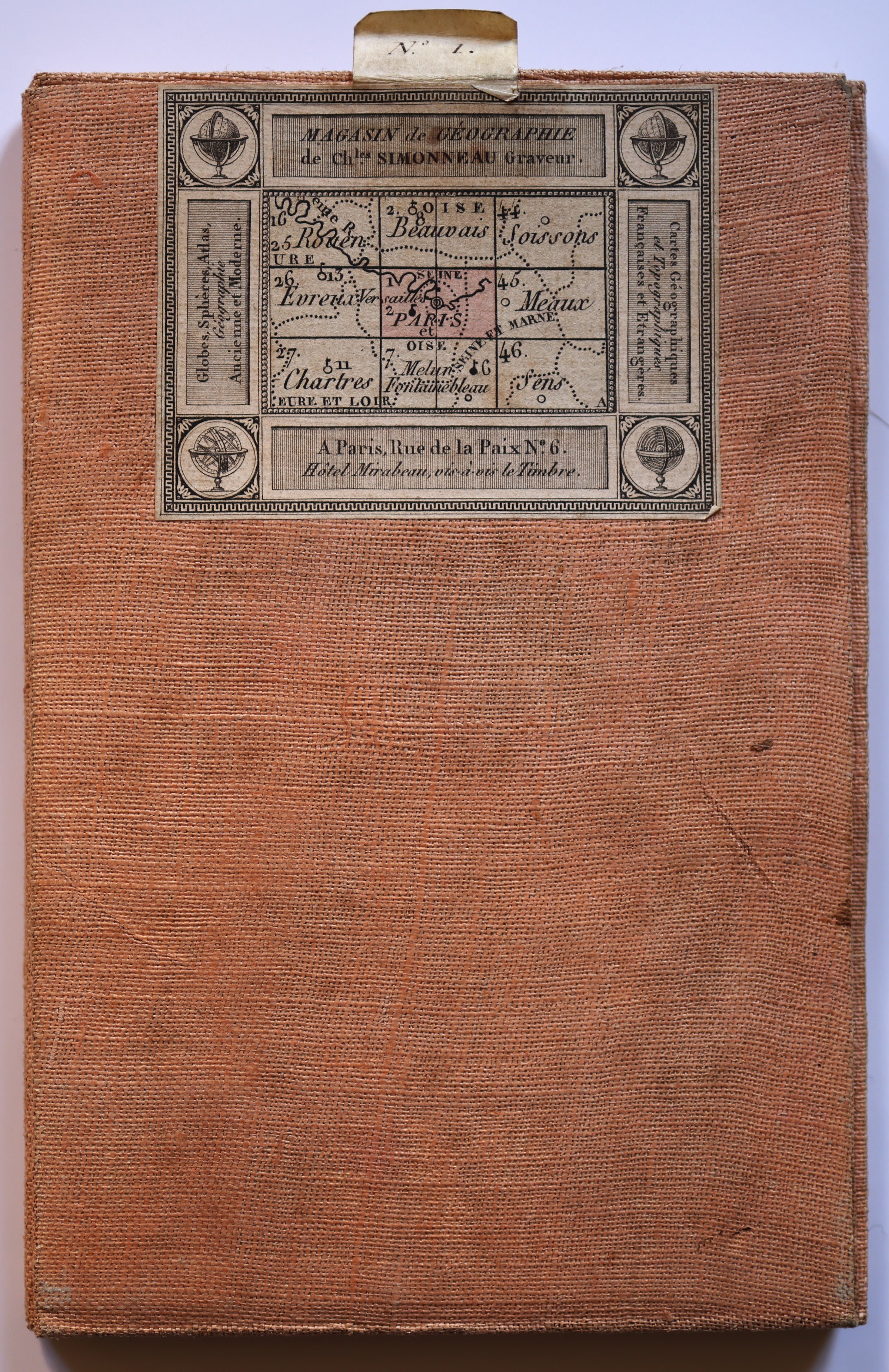
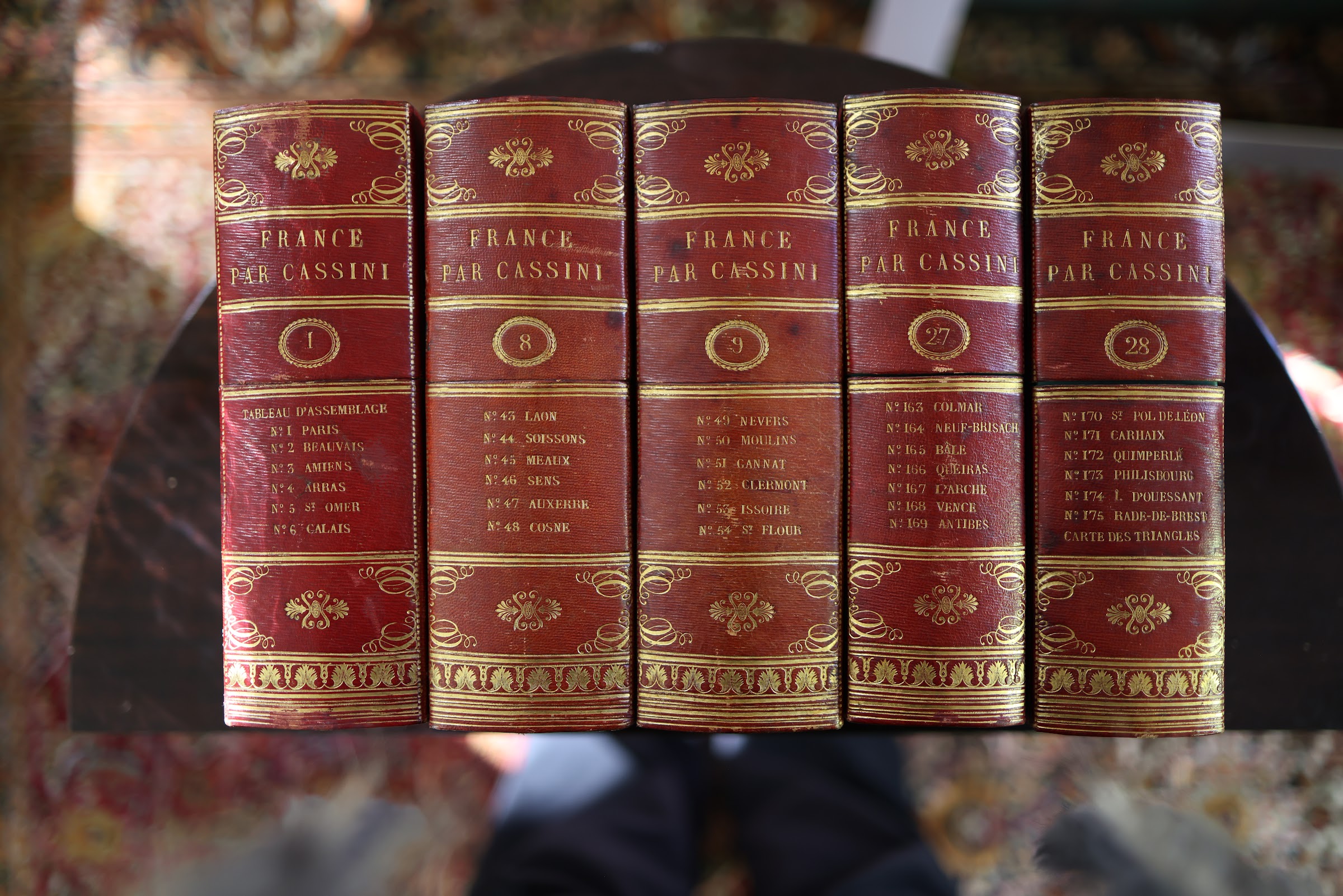
Our collection, in 28 beautifully bound leather volumes from around 1820, was brilliantly designed to be both portable and durable. Each large map was cut into 21 pieces, individually glued to a hessian backing, which allowed them to be folded without damage to the maps themselves.
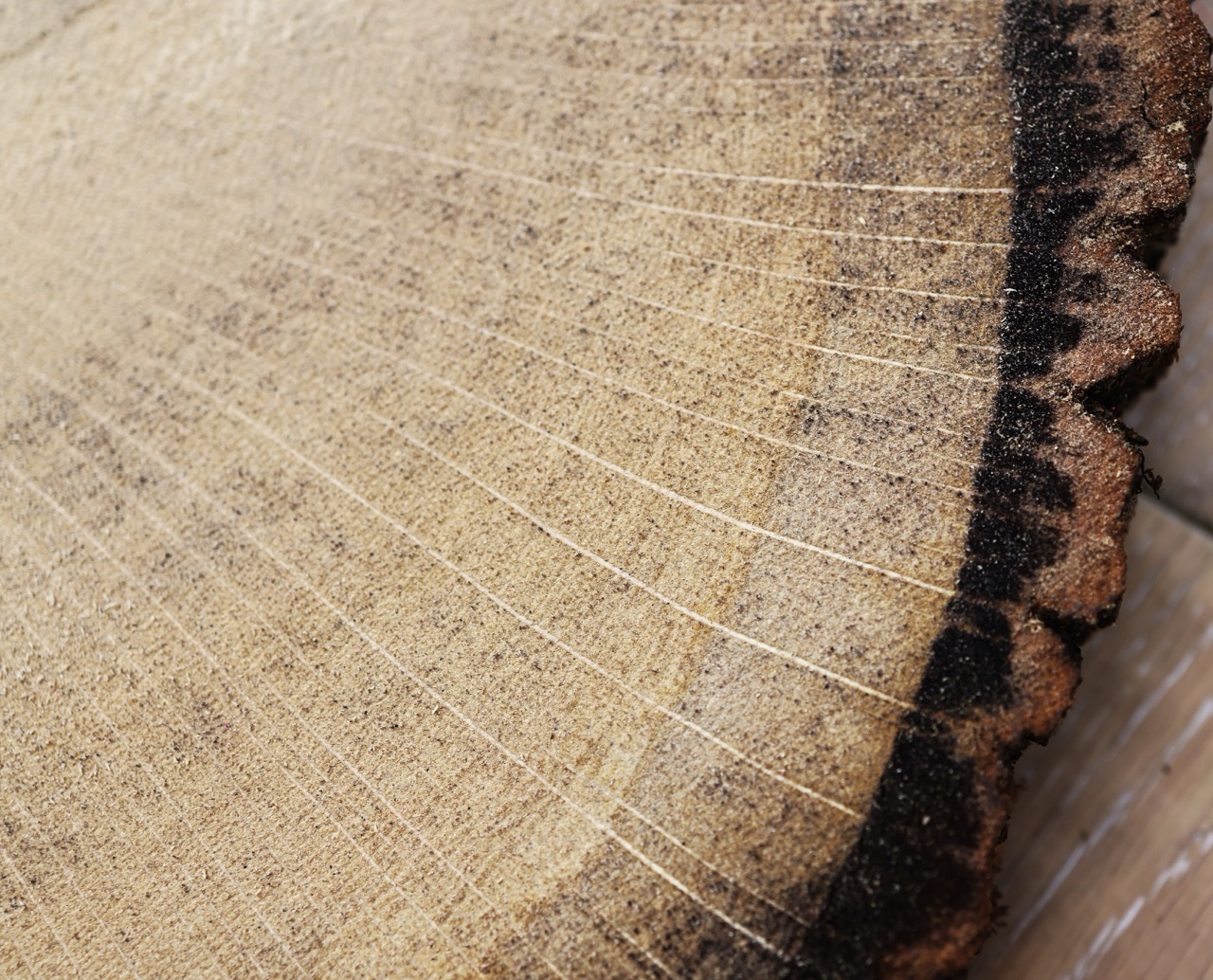
OCTARR is celebrating this great achievement alongside another of Louis XIV and Colbert’s achievements: the reorganisation of French forestry management, which led to DARA, our magnificent 350-year-old oak, living on in many future projects.

.jpg)